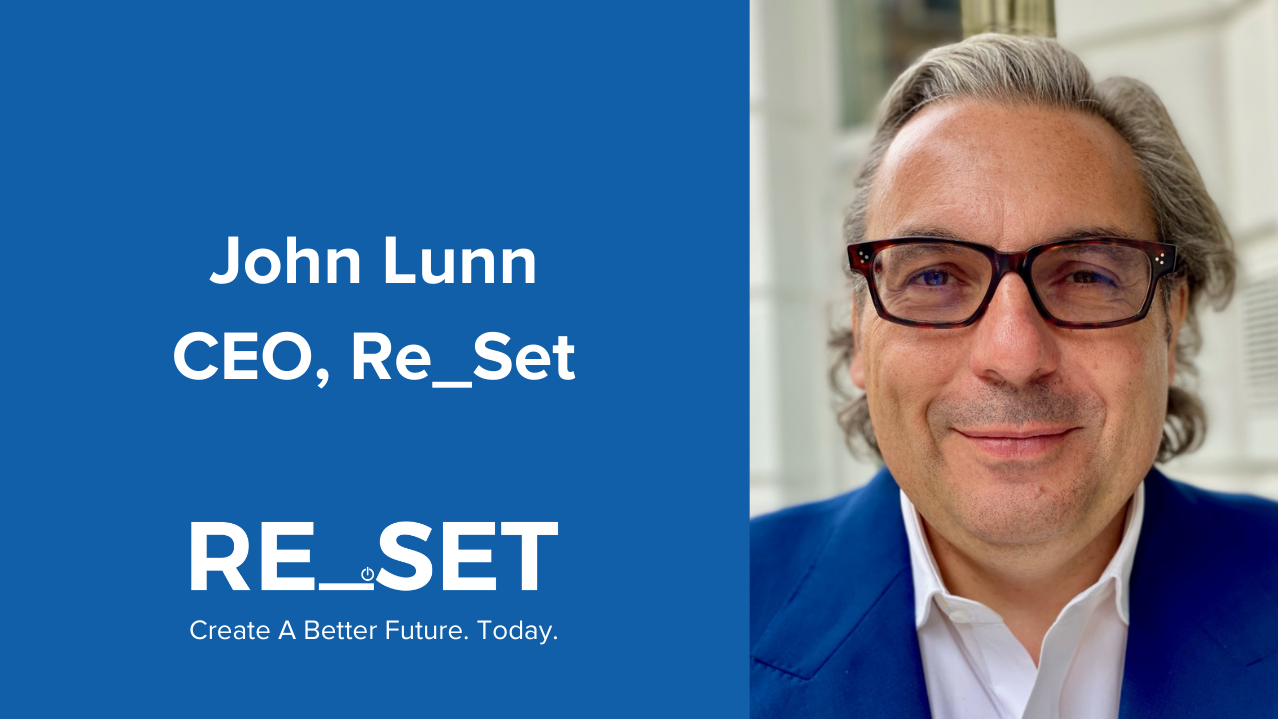
While profits ensure a business can operate, without other ways to measure performance there can be no business continuity in a disrupted world, says Re_Set CEO, John Lunn
In Brief:
- In January 2021, Tom Peters wrote to the Financial Times arguing the economist Milton Freidman was wrong in that maximising shareholder value should be a company’s raison d’etre
- He made a passionate argument that business is not part of the community – business is the community
- Since joining Re_Set as CEO, I have reflected on his thinking as we help organisations manage today’s disruptive forces and consider new value levers for the future
- By considering the health of the business beyond profitability, boards can position their businesses for long-term success
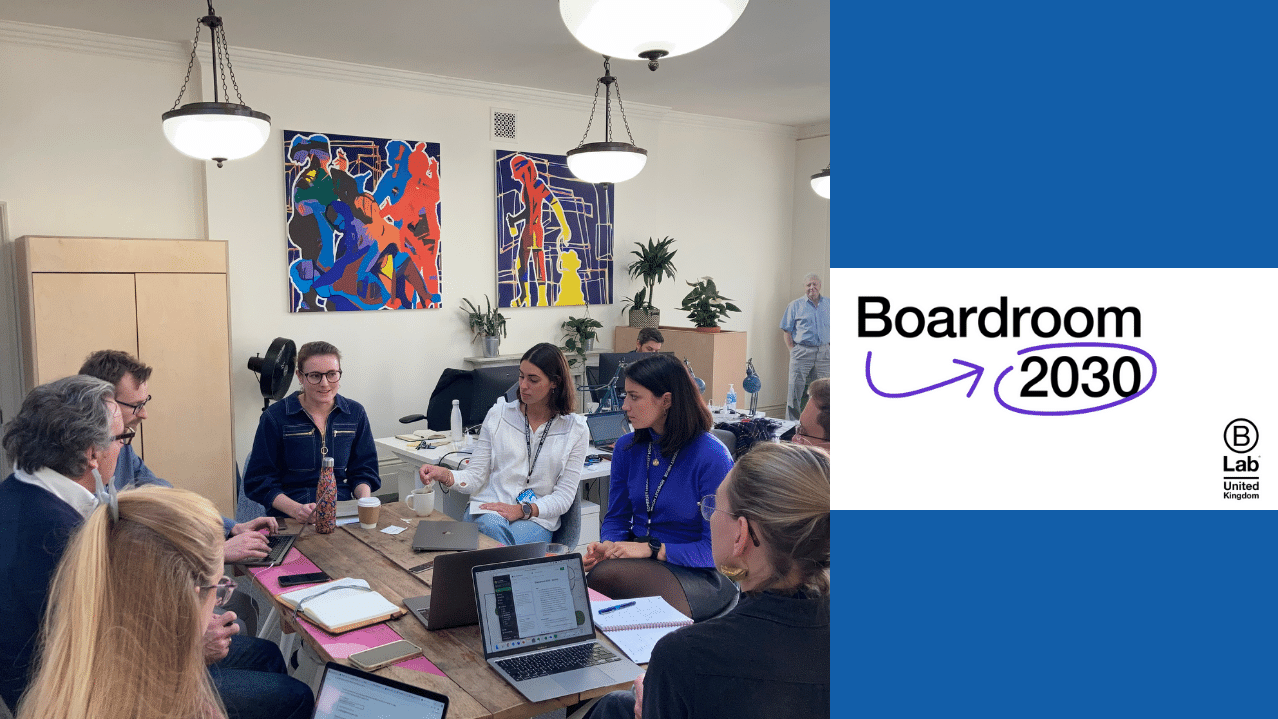
- Re_Set put this to the test recently by joining the B-Corp Boardroom 2030 movement and holding a board which invited input from staff representing stakeholders including Nature, Employees, Local Community, Society, Clients and Business
- Key learnings included the understanding that diversity and representation in business and the boardroom is key to driving business success and innovation
- Enlightened CEOs need to consider other ways to measure business success, including happiness scores, carbon tracking, community development targets and youth approval
- This in turn will help redefine the role of business, from competition to partnership
Until recently, board meetings have been closed to everyone bar the business leaders, while the key measure of success was profit. We think Tom Peters was right, and the time has come to rethink this.
We are in a washing machine cycle of change. The climate emergency, technological advances, generational demands, the energy transition and a disengaged workforce are just some of the disruptive forces putting pressure on our planet, on our society, and, by extension, on our businesses.
These are all symptomatic of the way our global economy has evolved to prioritise financial performance over planetary wellbeing or social cohesion. And they are challenges that point to an overhaul of our current systems being required.
So, what can we as leaders do about it?
Walking the talk
It’s clear from this year’s COP26 that businesses are already taking the lead in addressing these issues. This goes beyond being a good corporate citizen to recognising the opportunity to leverage sustainability as a key value for future growth. Building on this, and by considering the health of the business beyond profitability, boards can position their businesses for long-term success.
If you’re familiar with the B-Corp movement, this won’t come as a surprise to you. You might also be aware that this year it launched the Boardroom 2030 initiative – inviting members to think about shifting the dial away from shareholder primacy towards a different operating model. It’s early days on what this rethink will mean, but it will likely take account of measuring value for all stakeholders in the longer term, while at the same time strengthening our ability to navigate disruption.
Re_Set is a certified B-Corp, so we took this challenge to heart. What might our boardroom look like in 2030, we wondered? Who should the CEO be listening to? And how might we measure success?
The boardroom of the future
Joining me at the boardroom table in our Somerset House office were staff members representing different key stakeholders: Nature, Employees, Local Community, Society, Our Clients, and Our Business.
We heard each of their views, reflected on our actions and thought collaboratively about how we can go beyond shareholder return and create a positive impact for everyone. There was a healthy debate on what the fixture Board should looked like, but five key themes emerged:
- Businesses need additional measures of success and impact, beyond profit and growth if there is a genuine desire to understand the firm’s broader impact
- The local community is an easy, yet often overlooked oasis of connections, conversations and partners
- Diversity and representation in the business and the boardroom is key to driving business success and innovation
- To drive real long-term benefits on both sides, the relationship between businesses and employees must shift from a transaction, to a long-term partnership that helps both parties thrive
- There are changes we can make today to achieve the bold ambitions we’ve set for 2030 and everyone can contribute
The answer: redefining the key metrics of success will transform the role of business.
We know this: wherever 2030 might take us, the world will pass through a period of unprecedented change and successful businesses must adapt.
Success can no longer be defined by one metric, in a world where businesses must be partners on the journey. Forward-looking data is critical for leaders to make informed decisions. And adapting the metrics of success is key and having the data support systems will be key.
While profits ensure a business can operate, without other metrics to measure performance there will be no business continuity in a disrupted world. A ‘happiness score’, carbon tracking, community development targets or youth approval are some metrics that enlightened CEOs could consider, as they redefine the role of business, from competition to partnership.
In a recent address at COP26, female astronaut Nicole Scott said: “We must stop being passengers and start being crewmembers”. We believe she is right. Starting in the boardroom, what better way to achieve what we’ve promised to the next generation.
Re_Set provides next generation strategies for businesses looking to accelerate innovation. To find out more, get in touch with our consultancy team.